
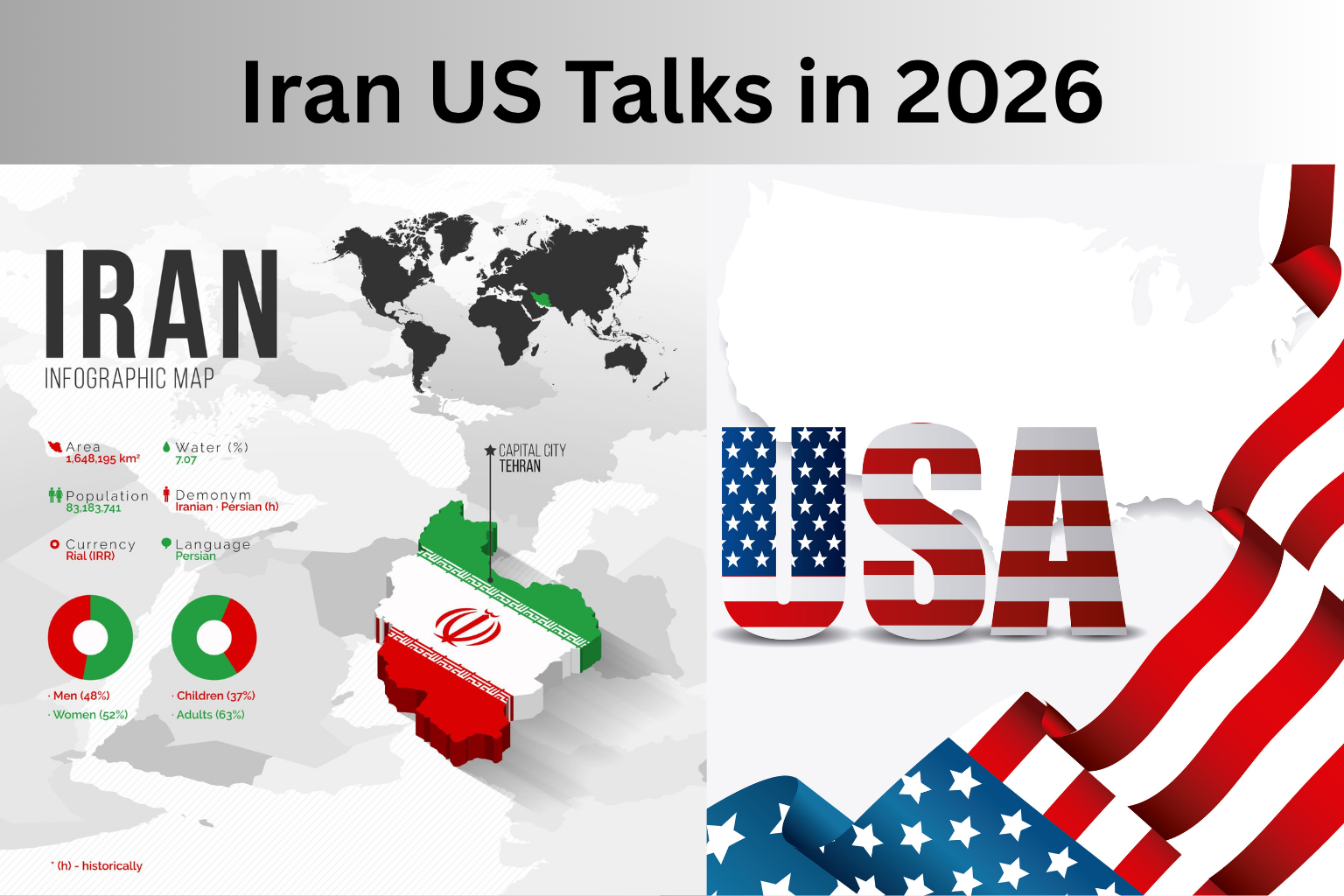
Iran US Talks in 2026: Pakistan’s Surprising Role in Mediating a Historic Diplomatic Moment
Iran US talks, US Iran negotiations, Pakistan mediation, Iran US ceasefire, Middle East tensions, US Iran conflict, Pakistan diplomatic role, Iran US peace talks
Introduction
The ongoing tensions between the United States and Iran have shaped global geopolitics for decades. From nuclear disagreements to regional conflicts, the relationship between Washington and Tehran has often been defined by confrontation rather than cooperation. However, in 2026, the world witnessed a surprising development: renewed Iran US talks aimed at reducing tensions and potentially ending a dangerous escalation in the Middle East.
One of the most unexpected aspects of these US Iran negotiations is the role played by Pakistan. Traditionally viewed as a South Asian power, Pakistan has recently stepped into the global diplomatic spotlight by facilitating dialogue between the two rivals. Reports suggest that Islamabad helped relay messages, propose ceasefire frameworks, and even offered to host direct discussions between American and Iranian officials.
This article explores the latest developments in Iran US talks, Pakistan’s diplomatic role, and why these negotiations matter for the United States, the Middle East, and global stability.
The Background of the U.S.–Iran Conflict
To understand the importance of current US Iran negotiations, it is necessary to examine the history behind them.
The conflict between the United States and Iran intensified after the 1979 Iranian Revolution, when Iran transformed into an Islamic Republic and diplomatic relations with the United States collapsed. Over the decades, disputes emerged around several major issues:
- Iran’s nuclear program
- Sanctions imposed by the United States
- Regional influence in countries like Iraq, Syria, and Lebanon
- Military confrontations in the Persian Gulf
These tensions periodically escalate into crises that threaten global energy markets and regional security.
In recent months, the situation became particularly volatile after military exchanges and attacks involving Iran and U.S. allies in the Middle East. As tensions escalated, fears of a wider war increased dramatically.
Why the Latest Iran–U.S. Talks Are Different
The current round of Iran US talks differs from previous attempts for several reasons.
First, the conflict has reached a stage where both sides risk severe economic and military consequences if escalation continues. Second, global pressure for diplomacy has intensified as energy markets and shipping routes such as the Strait of Hormuz face disruption.
Recent diplomatic efforts led to a temporary ceasefire proposal designed to pause hostilities and create space for negotiations. According to international reports, Pakistan helped facilitate communication between Washington and Tehran and played a significant role in encouraging both sides to consider diplomatic solutions.
This initiative has drawn attention worldwide because it shows how middle powers can influence global diplomacy.
Pakistan’s Role in the Iran–U.S. Negotiations
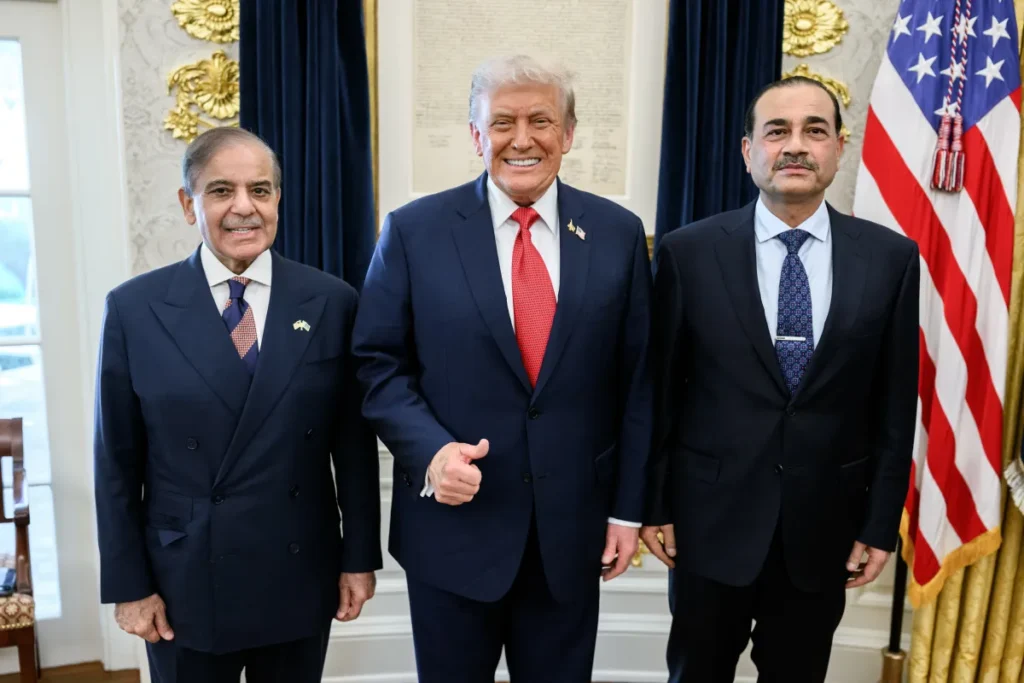
One of the most intriguing elements of the latest Iran US peace talks is Pakistan’s involvement.
Pakistan has long maintained relationships with both Iran and the United States. While Islamabad has historically been a security partner of Washington, it also shares a long border and cultural ties with Iran. This unique position makes Pakistan a potential intermediary.
Recent diplomatic reports suggest that Pakistan acted as a communication bridge, passing messages between the two sides and proposing frameworks for de-escalation.
Pakistan’s leadership reportedly engaged with both governments to encourage dialogue and reduce tensions.
Key aspects of Pakistan’s involvement include:
- Facilitating indirect diplomatic communication
- Proposing ceasefire frameworks
- Offering to host peace talks in Islamabad
- Encouraging regional partners to support diplomacy
This type of diplomacy is often called “back-channel negotiation,” where governments communicate indirectly through intermediaries instead of formal meetings.
The Proposed Ceasefire Plan
Reports indicate that the Iran US negotiations involve a temporary ceasefire framework aimed at reducing military operations and preventing escalation.
The proposal reportedly includes:
- A temporary halt to hostilities
- Diplomatic talks to address long-term issues
- Discussions about security in the Strait of Hormuz
- Possible steps toward easing tensions
Pakistan reportedly suggested a two-phase plan, beginning with a ceasefire and leading toward broader diplomatic negotiations.
Although details remain confidential, the goal is to create a path toward a longer-term diplomatic agreement.
Why the United States Is Interested in Negotiations
For American policymakers, the US Iran negotiations are not just about regional diplomacy. Several strategic considerations are involved.
1. Preventing a Wider War
A large-scale conflict with Iran could destabilize the entire Middle East and draw multiple countries into a prolonged military confrontation.
2. Protecting Global Energy Supply
The Strait of Hormuz, located near Iran, is one of the world’s most important oil shipping routes. Any disruption there can dramatically increase global energy prices.
3. Domestic Political Pressure
War fatigue among American voters often pushes leaders to pursue diplomatic solutions instead of military escalation.
For these reasons, Washington has shown interest in exploring diplomatic channels despite longstanding tensions.
Iran’s Perspective on the Talks
From Iran’s perspective, participating in Iran US talks can offer several strategic advantages.
Iran faces severe economic sanctions that have significantly impacted its economy. Diplomatic negotiations could potentially lead to sanctions relief or economic concessions.
However, Iranian leaders also remain cautious. They have repeatedly emphasized that any agreement must respect Iran’s sovereignty and security interests.
Some Iranian officials have publicly acknowledged diplomatic efforts involving Pakistan while maintaining that negotiations must produce meaningful results rather than temporary political gestures.
This cautious approach explains why the negotiations remain complex and fragile.
Regional and Global Reactions
The Iran US negotiations have drawn reactions from governments across the world.
Many countries have welcomed the diplomatic efforts because a reduction in Middle East tensions benefits global stability. Several regional powers have also expressed support for Pakistan’s mediation initiative.
International observers note that Pakistan’s involvement reflects a broader trend in global diplomacy: middle-power states increasingly acting as mediators in major international conflicts.
This shift is important because it reduces the risk of direct confrontation between global superpowers.
Challenges Facing the Negotiations
Despite optimism, the current Iran US peace talks face several significant challenges.
Deep Mistrust
Decades of hostility have created profound mistrust between Washington and Tehran.
Military Escalations
Even small military incidents could derail negotiations and trigger renewed conflict.
Domestic Political Pressure
Leaders in both countries face internal political pressures that limit their flexibility in negotiations.
Regional Alliances
Allies of both nations may also influence the outcome of negotiations depending on their security concerns.
Because of these factors, diplomacy remains uncertain.
What This Means for Global Politics
The latest Iran US talks highlight several important trends in international relations.
First, diplomacy remains the most effective tool for preventing large-scale conflicts between powerful states.
Second, countries outside traditional superpower circles—such as Pakistan—can play critical roles in facilitating dialogue.
Finally, global geopolitics is becoming increasingly multipolar, meaning more countries are influencing major international decisions.
For the United States, engaging in diplomacy with Iran does not necessarily mean immediate reconciliation. Instead, it represents an effort to manage conflict and reduce the risk of war.
Could Pakistan Become a Major Diplomatic Broker?
If the current negotiations lead to meaningful progress, Pakistan could gain recognition as an important diplomatic mediator.
Historically, countries like Norway, Qatar, and Switzerland have played similar roles in facilitating negotiations between rival powers.
Pakistan’s involvement in the Iran US negotiations demonstrates its ability to participate in high-level international diplomacy beyond South Asia.
However, success will depend on whether the talks produce tangible results.
The Future of Iran–U.S. Relations
Predicting the future of Iran US talks is difficult. Diplomatic negotiations between long-standing adversaries often move slowly and face repeated setbacks.
Several possible scenarios could emerge:
- A temporary ceasefire followed by prolonged negotiations
- A broader diplomatic agreement addressing security issues
- A breakdown in talks leading to renewed escalation
For now, the situation remains fluid, and global attention remains focused on the progress of these discussions.
Conclusion
The latest Iran US talks represent one of the most significant diplomatic developments in global politics this year. With tensions in the Middle East threatening regional stability and global energy markets, both Washington and Tehran have strong incentives to explore diplomatic solutions.
Pakistan’s role in facilitating communication and encouraging negotiations highlights how middle-power nations can influence international diplomacy. While the success of these talks remains uncertain, the involvement of Pakistan demonstrates the growing complexity of global geopolitics.
For the United States and its allies, the outcome of these negotiations could shape the strategic landscape of the Middle East for years to come.
If diplomacy succeeds, the current US Iran negotiations may become an important example of how dialogue—supported by international mediation—can prevent conflict and promote stability in one of the world’s most volatile regions.